
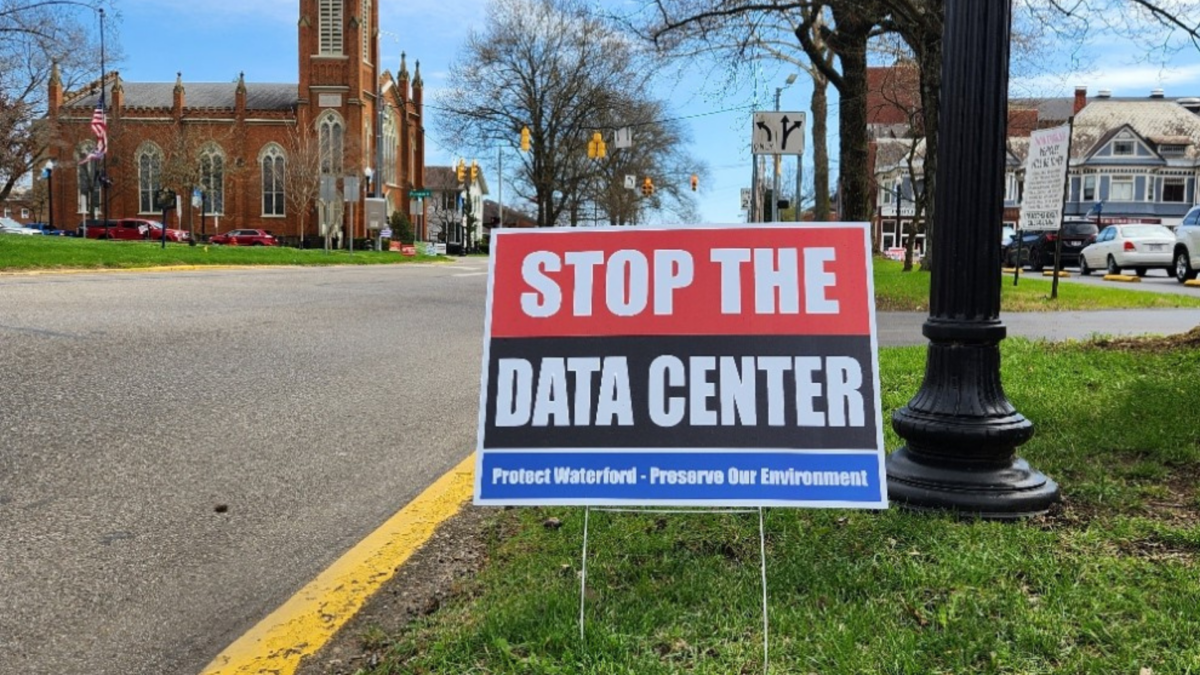
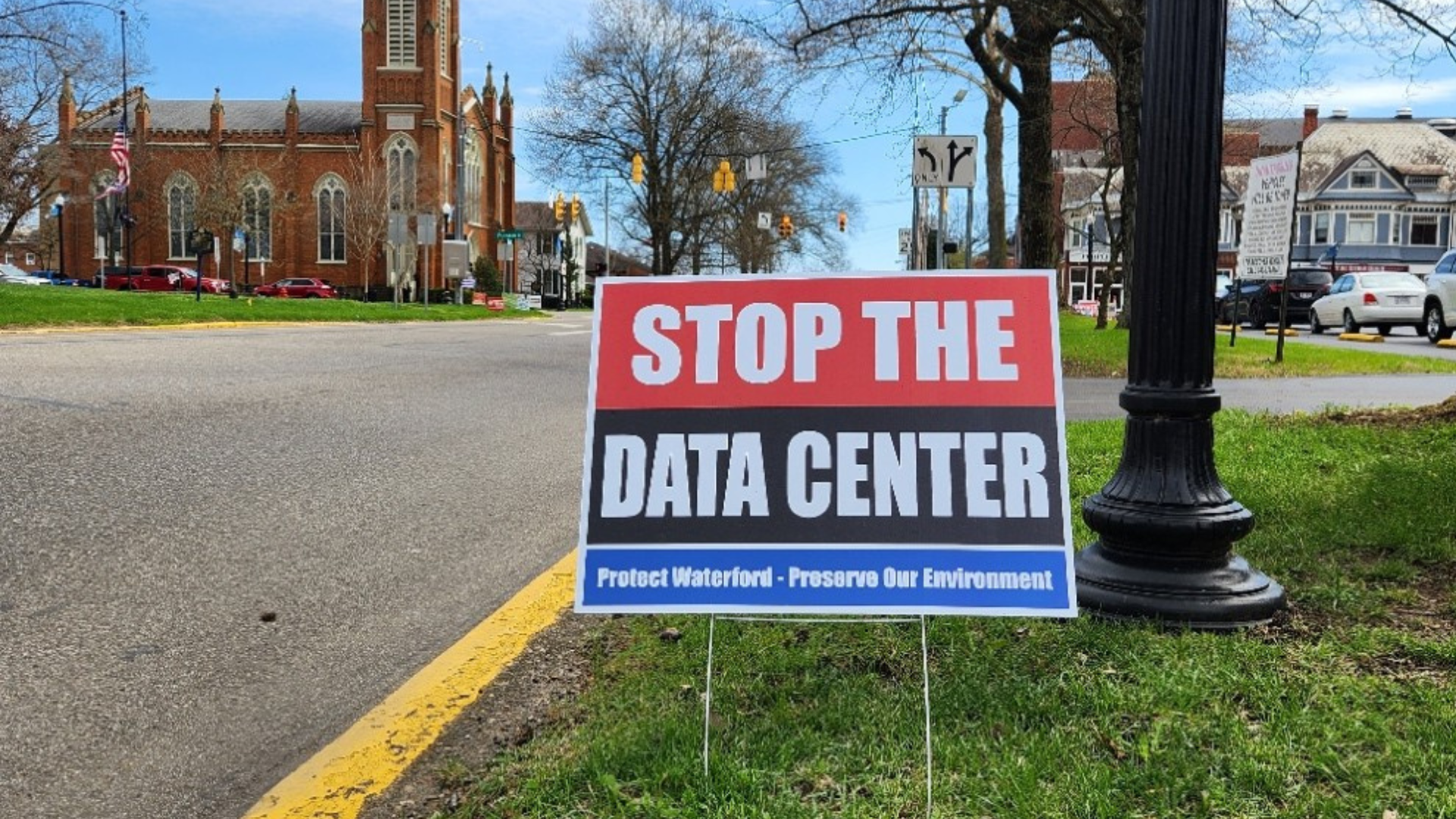
On a gray February morning, where Wolf Creek meets the Muskingum River, Waterford looked much like it always does. The roads were calm, the fields stretched long and open, and a few trucks sat parked outside local diners. But online, the tone of the community has shifted as residents react to the possibility of a large‑scale data center coming to the area.
A fast‑growing Facebook group called “Waterford Community Data Center Information Group” has become a central place for discussion. As of April 2026, the group had more than 3,400 members, many of whom are voicing concerns about what the project could mean for farmland, schools and the future of a region that has remained rural for generations.
County officials say the proposal represents what could be the largest development project in Washington County in 50 years. At a commission meeting in late February, the board emphasized that the project is still in its early review phase. Even so, many residents feel they are not getting enough information.
In January, commissioners signed a non‑disclosure agreement with potential developers and approved a letter of intent. Washington County Prosecutor Nicole Coil has described the NDA as a “very standard procedure,” but many residents see it as a barrier between them and the details they believe they deserve to know.
Officials have only described the project in broad terms, noting that data centers support industries such as banking, health care, emergency services and education.
One of the most debated elements of the proposal is the possibility of a 100 percent tax abatement for at least 15 years. The Waterford Township Trustees and the Wolf Creek School District are reviewing the idea and preparing feedback for the county. Commissioner Eddie Place has said the board will not move forward with negotiations until a public meeting is held.
For many residents, the central question is what the community stands to gain if the county gives up tax revenue. Some, like Barbara Stewart of Marietta, want concrete numbers rather than broad assurances. Stewart argues that the project could benefit large technology companies more than local families and says residents still lack the scientific and economic information needed to make an informed decision.
Commissioner Greg Nohe has acknowledged the community’s unease and has emphasized that the board’s role is to negotiate the strongest possible terms if the project advances. At public meetings, he has reiterated that the only document the county has signed is the NDA. “That public meeting will happen,” Nohe told attendees in February. “To have it prematurely would be a disservice if we can’t answer all those questions that you have.”

Not all residents oppose the idea outright. Some, including Justin Arthur, have asked for more information about potential job creation and long‑term economic impact. Commissioner Charlie Schilling has expressed optimism about the possibility of new jobs, noting that he has watched major employers leave the area over the years. A project of this size, he says, could help stabilize schools and local budgets. Still, Schilling acknowledges that firm numbers on job creation are not yet available.
Environmental concerns have become a major part of the conversation. At meetings and in online forums, residents are asking how a large data center would fit into the local landscape. They want to know how much water the facility would use, whether cooling systems could strain supplies during dry months and what kind of energy demand it would place on an aging grid.
Comments in the Facebook group reflect these worries. Some residents fear that a dry summer could force farms, households and the facility to compete for the same water supply. Others want clarity on how much power the center would require and who would ultimately bear the cost.
Concerns also extend to the physical footprint of the project. Residents worry about how much farmland could be cleared and whether construction might alter drainage patterns. For families who have lived on the same acreage for generations, the fear is not only environmental but cultural — a concern about losing the rural character that defines the county.
“I don’t think anyone is against progress,” says former Marietta resident Kurtis Sanderson. “Everyone just wants to know what that kind of progress is. People feel a little cheated about the whole thing.”
The county commissioners have postponed a vote on the letter of intent to allow more time for public discussion. But in Waterford, the questions feel larger than the paperwork. Many residents believe information is moving too slowly and want a clearer picture of what the future could look like.
As the debate continues, the community is left weighing what kind of place Waterford will become, and whether the future being shaped in meeting rooms still resembles the home they know.
Find us on Social Media