
Glassblowing has an extensive history, but in the Appalachian region, it has a story of its own. By the late 1800s, Lancaster emerged as a center of the American glass industry. More than a century later, molten glass still burns at the heart of Ohio’s pressed-glass capital.
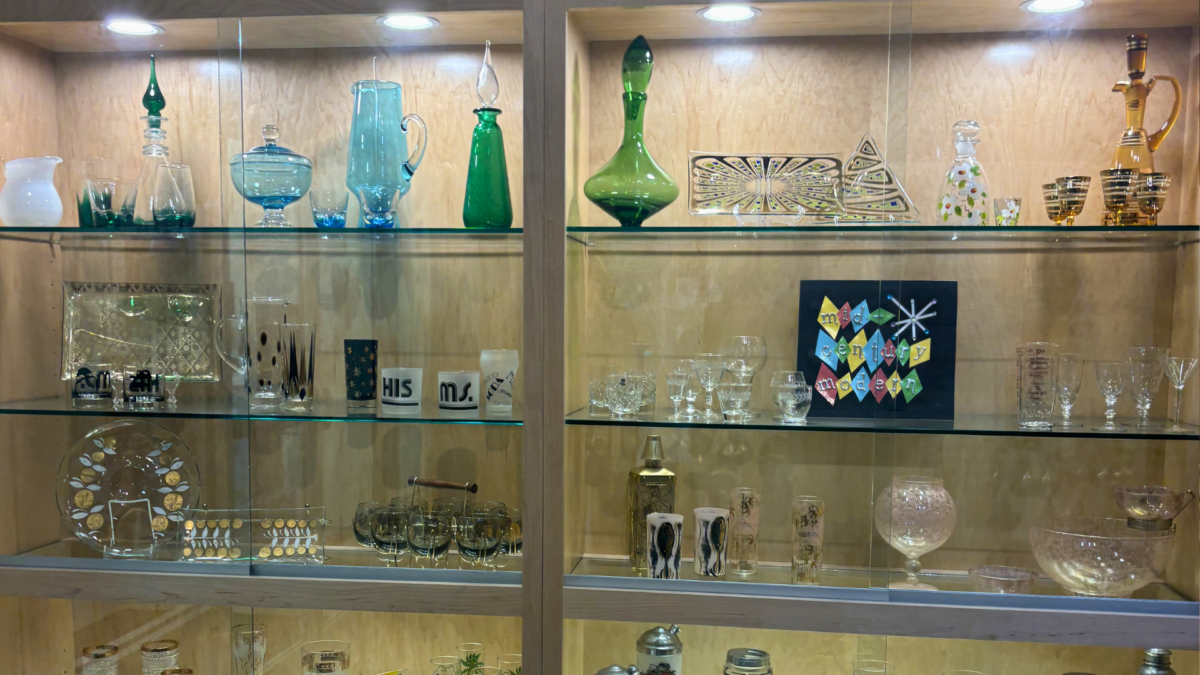
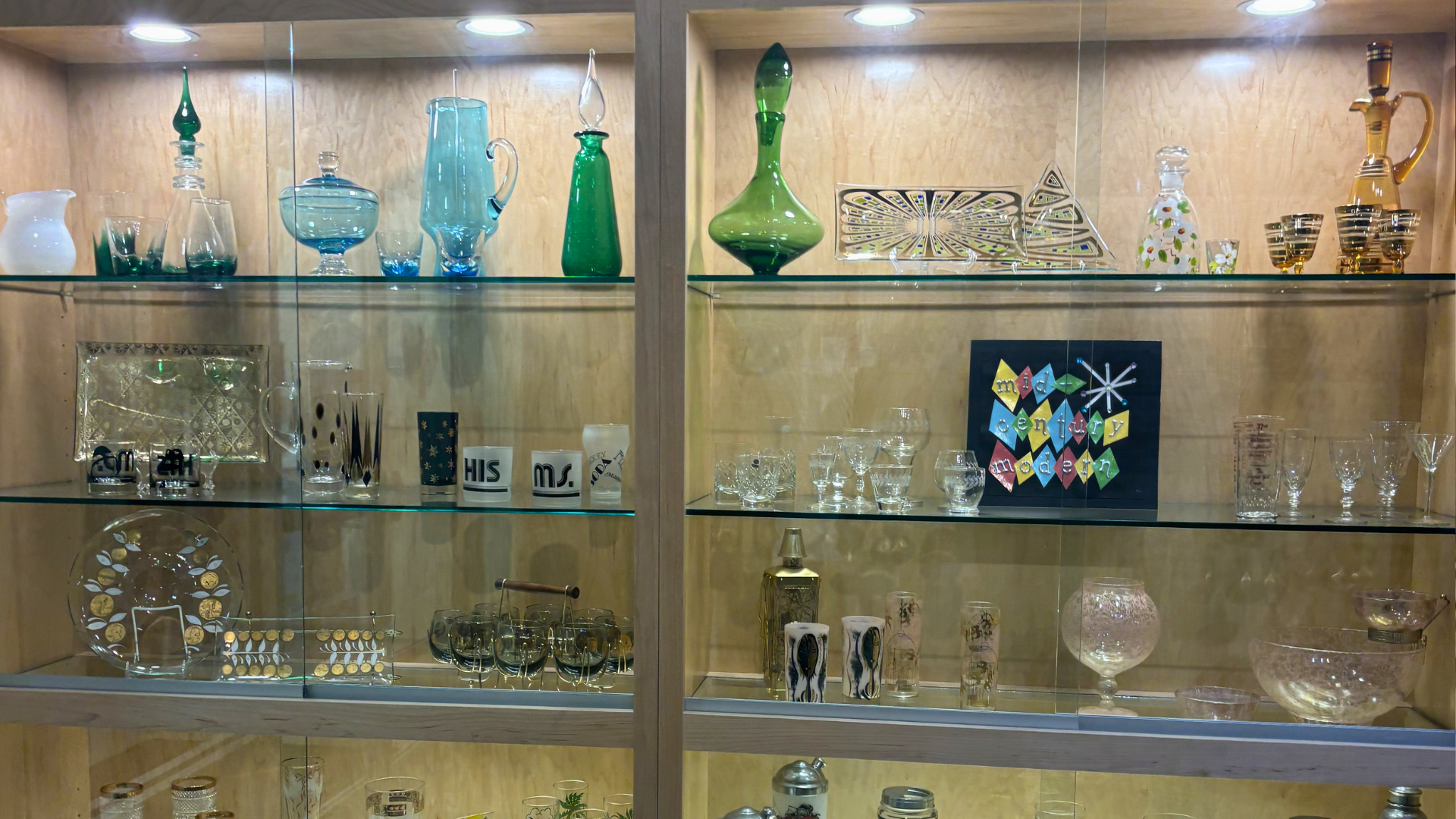
At the center of the city’s historic downtown is the Ohio Glass Museum, a vault filled with decades of pieces from intricate art to industrial to familiar household items. This year’s featured collection, “Shaping Society,” explores how manufactured glassware has both molded and reflected social narratives, presenting glass as more than just a functional material.
“The idea is to just show how things have changed, and which came first: the society, or the glass,” says art director and museum curator Anne Kiphen. “Every time I do this, I learn so much. [There are] so many people I don’t know, and I’m 82.”
Kiphen organized each display by subject, showcasing dazzling glass pieces accompanied by their deeper, more unexpected histories.
“The punch bowl used to be in taverns. Men used punch bowls,” says Kiphen. Possibly the last thing one would imagine when picturing a rowdy tavern. “It grew to be this fluffy, feminine thing.”
The studio glass movement of the 1960s encouraged artists and skilled glassworkers to emphasize their artistic technique and push limits in color, form and design in smaller studios. Today, Southeast Ohio is home to both major industry giants and smaller pockets of studio glass artists.
Among them is resident artist Scott Fouche, whose work is also featured in the glass museum’s gallery and gift shop. Most of Fouche’s time is spent around fire, teaching glass experiences and workshops. In his free time, he pushes his boundaries in the medium.
“The first few years, you’re timid around it,” Fouche says . “You’re taught to be fearful, but it’s man’s greatest tool. Here, we’re playing with fire. You’re dancing and constantly in motion with that raw energy coming out of there. It’s just a blob until it mixes with your energy and what you want to use.”
Fouche grew up around glass but became deeply committed to the craft in college. He gained experience through travel, learning from talented glass maestros abroad, and then returned to Lancaster, where his history meets evolution.
Theresa Sharp, another local glassblower and flameworker, has worked with glass since 1988 and shares a similar path to Fourche, though on a much smaller scale.
“I actually traveled a lot for as far as either watching or teaching or living. I’ve lived in Vermont to New Orleans, all different types of glass jobs from factory work to teaching to assisting,” Sharp says .
Today, she designs and creates beautiful glass jewelry pieces for funky earrings, statement necklaces and fun figurines.
Instead of working with a large metal rod with a blob of molten glass, called a gather, Sharp shrinks things down to cut out large studio needs. Using colored glass rods and a torch, she molds intricate designs from her own home, in a process called flameworking.
“My motto has always been: if it doesn’t make me smile, I’m not going to make it,” Sharp says .
From glass sock monkeys to cats on roller blades, Sharp’s pieces and jewelry can be found on her website or recently inducted into the artist collective gallery, Studios on High, in Columbus.
From the legacy of industry giants like Anchor Hocking to the work of contemporary artists such as Fouche and Sharp, glassmaking continues to evolve at the intersection of industry and art. Glass’s past remains a historical feat for the region, but its future lies in many individual artists burning centuries-old techniques into modern interpretation.
Find us on Social Media