
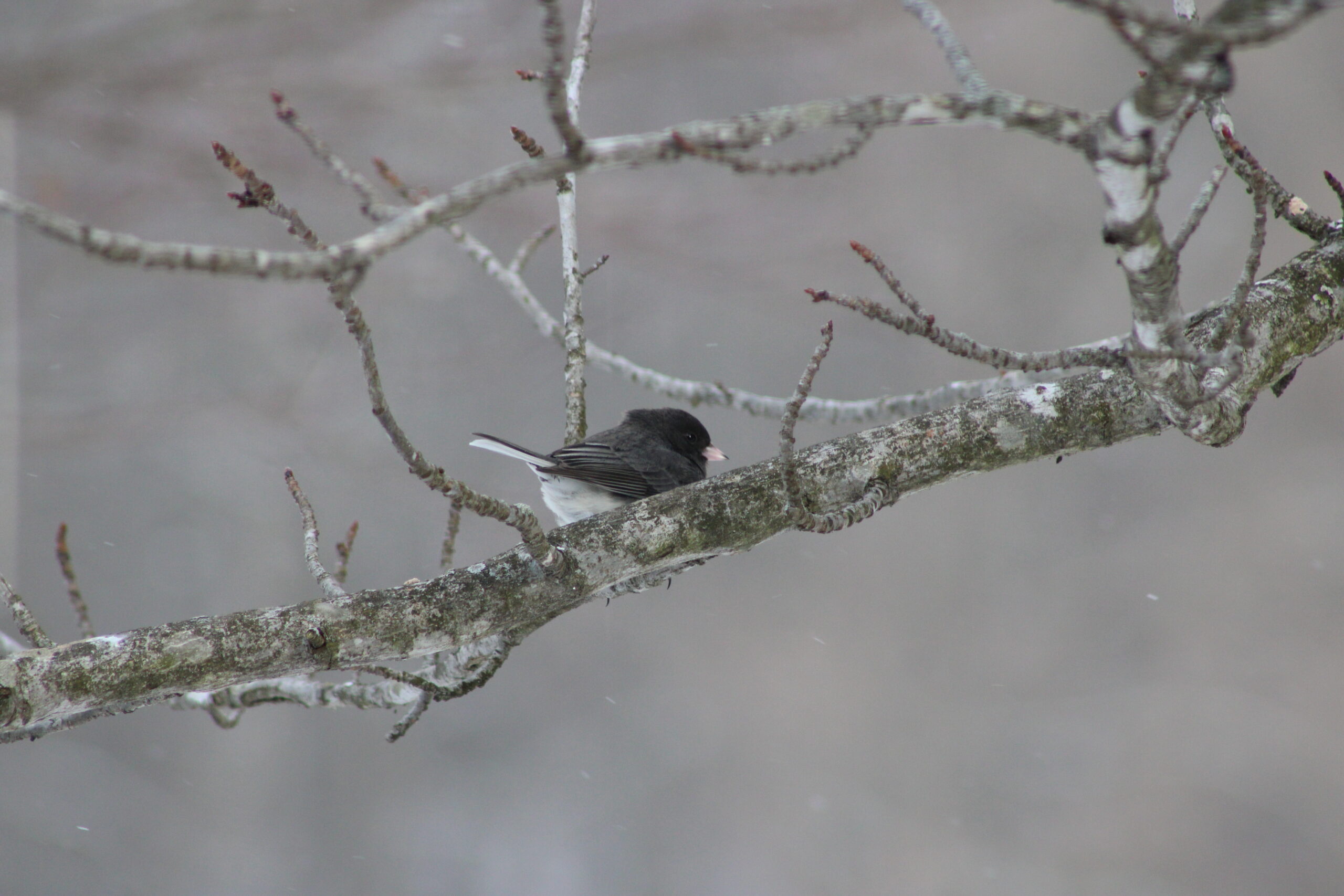
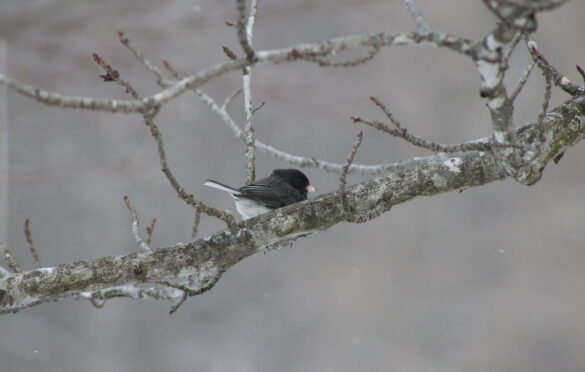
Dark-Eyed Junco
A migratory sparrow species commonly found across Ohio during late fall, winter and early spring. This small, dark gray bird can easily be found in a plethora of habitats, such as fields, roadsides, forests and backyards. Juncos forage on the ground for seeds with their sharp, pink beaks and in flight have distinctive white lines that edge their tail feathers. During the beginning of spring, Juncos sing beautiful trill songs.
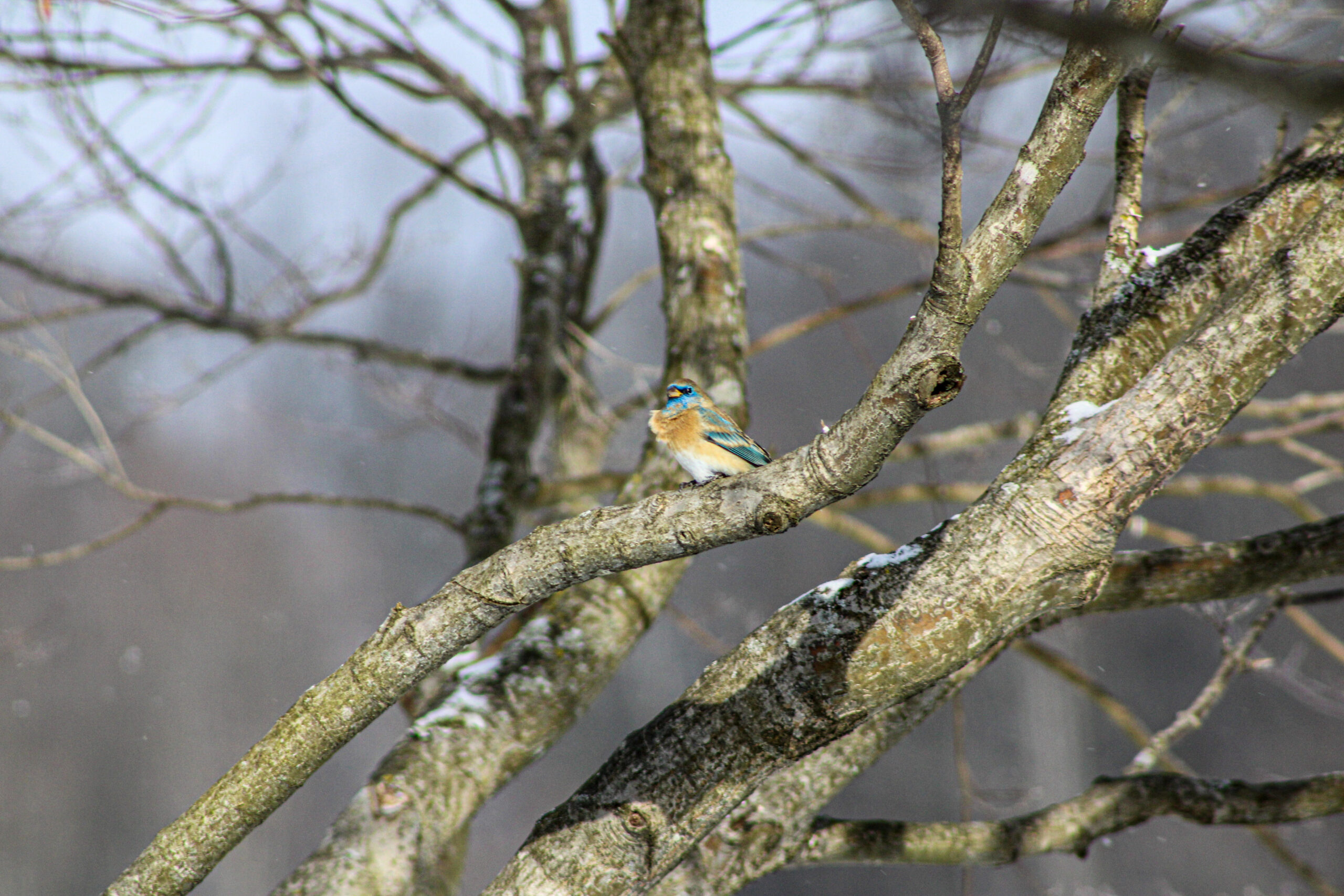
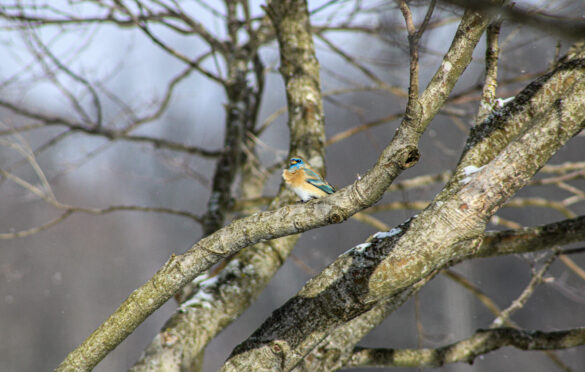
Lazuli Bunting
A dazzling songbird species --- not native to Ohio ---- found across the West coast of the United States. On January 5th a nonbreeding male showed up at the Troyer's family farm in Meigs County making it the first documented observance in the entire state of Ohio. Over the course of 53 days, hundreds of visitors were graciously allowed to visit a homeowner's property and see this rarity. The bird was las seen February 27, 2025, and has not been seen since.
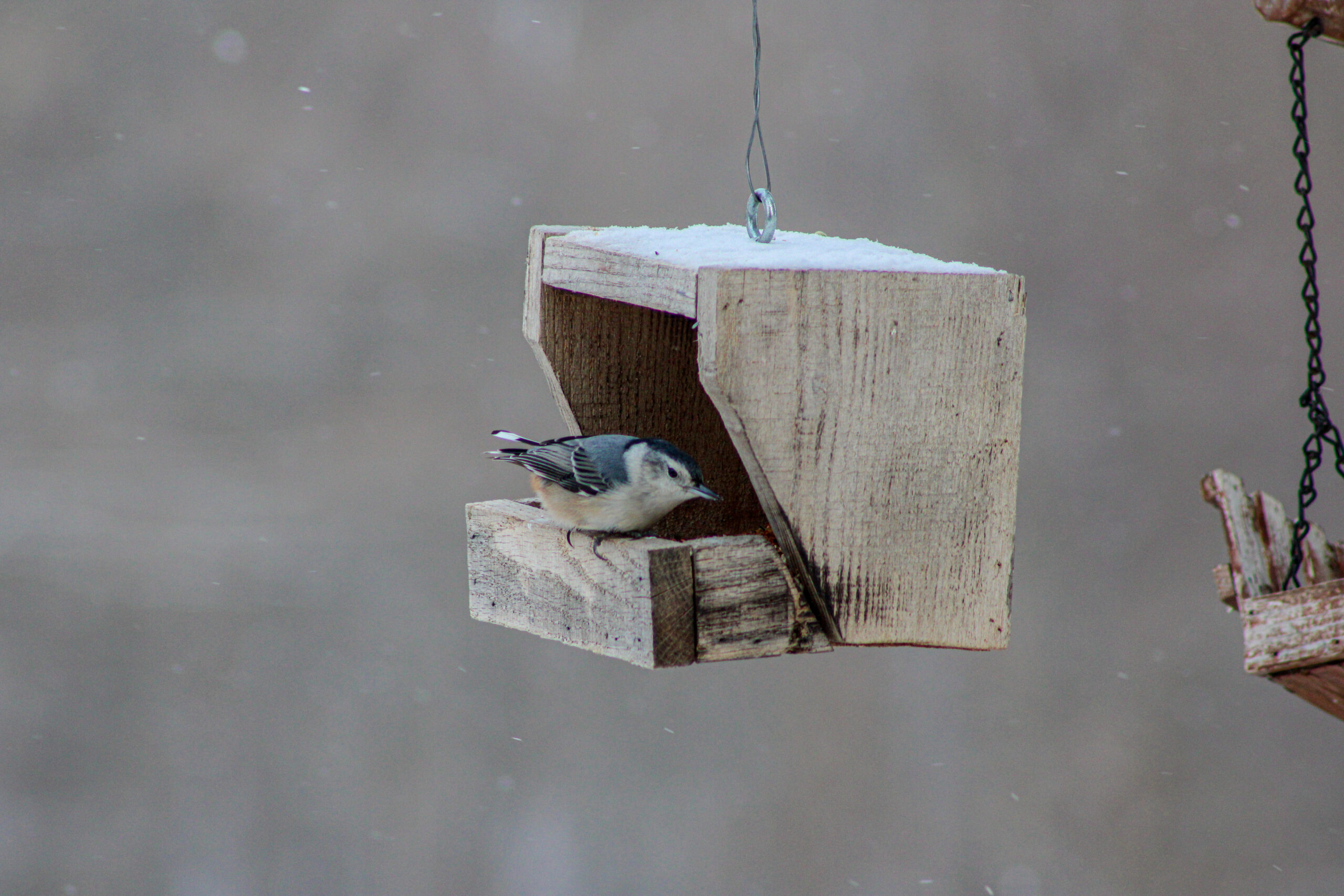
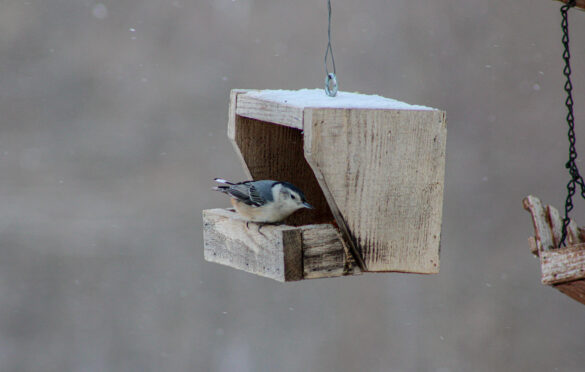
White-Breasted Nuthatch
A nimble little bird found year-round across the state of Ohio. White-Breasted Nuthatches have a steel blue back, white underside and dark patch on their crowns and napes. Frequently seen creeping up and down trees, jamming nuts into tree bark, and breaking them open with their pointed beaks. If you can't find a White-Breasted Nuthatch, you will surely hear their persistent nasal chatter that echoes across yards, forests and fields.
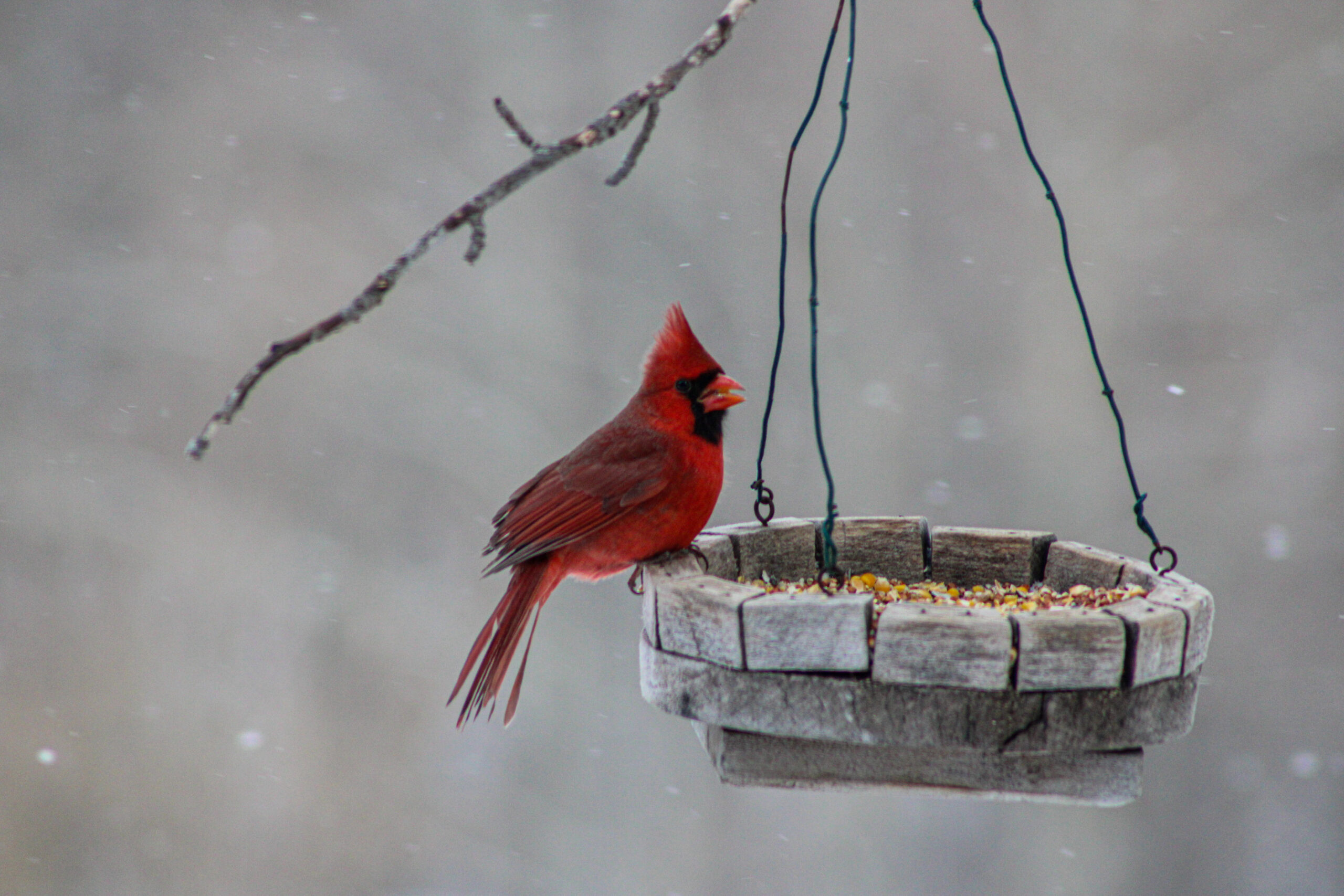
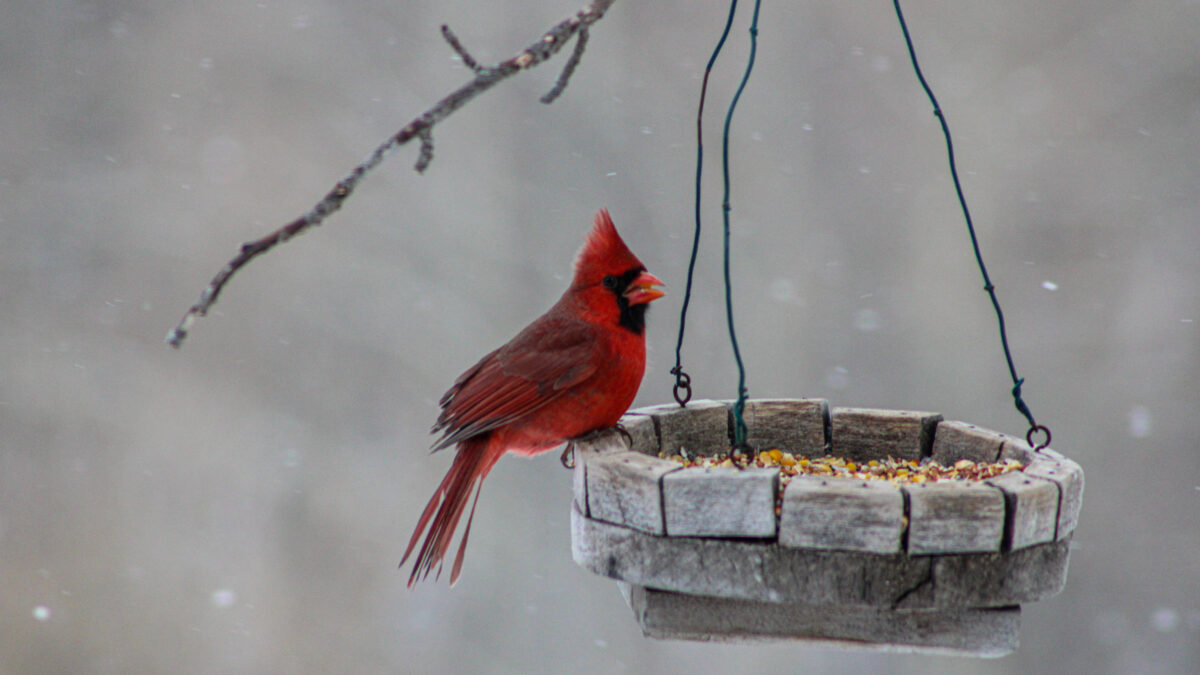
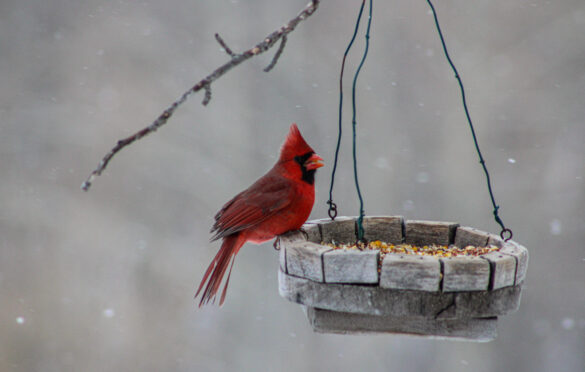
Northern Cardinal
One of seven state birds in the United States, which includes Ohio. Cardinals are well-known and regarded as famous across North America and even the world. Males have a strikingly apparent ruby hue, black mask, cone-like beak and peaked crown. Females are more dulled brown with a gray mask and hints of red. Cardinals don't migrate and their plumage doesn't change either, making their vibrant colors stick out in any habitat.
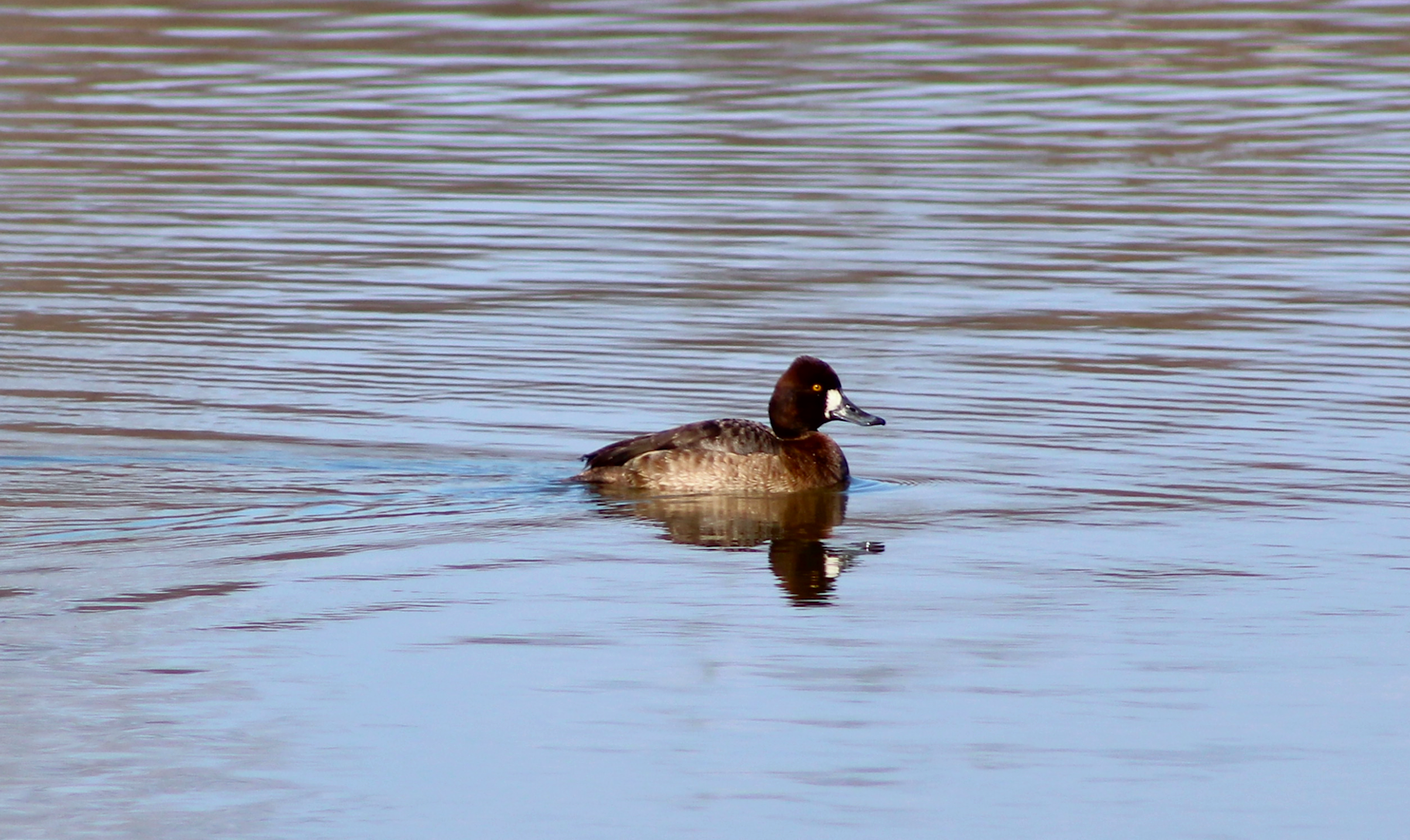
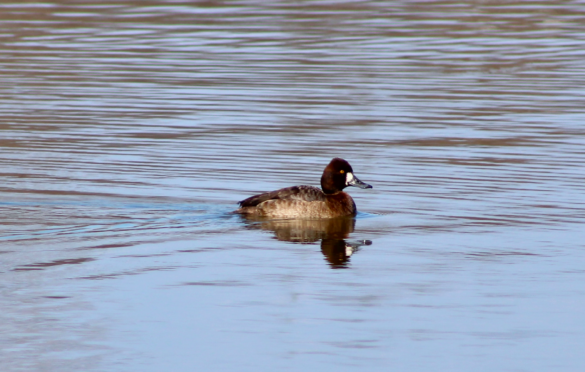
Female Lesser Scaup
One of the multiple diving duck species from the Aythya genus that migrate through Ohio during the late fall, winter and spring. Both males and females have yellow eyes, but males are white and black, while females are various shades of brown. One of the more difficult species of duck to properly identify due to its strikingly similar counterpart, the Greater Scaup. Key differences in lesser scaups are their peaked crowns, narrower bills and slightly smaller size.
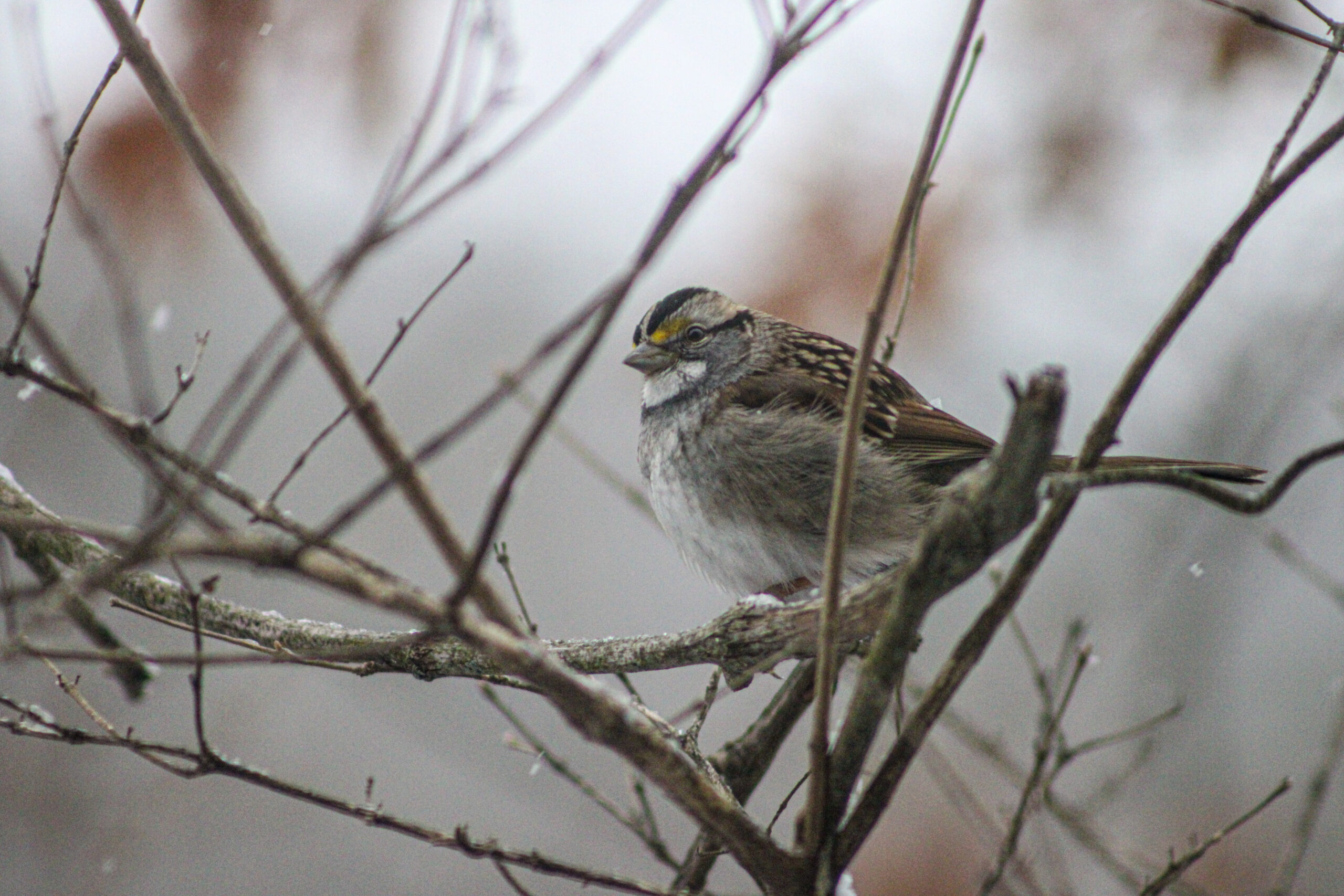
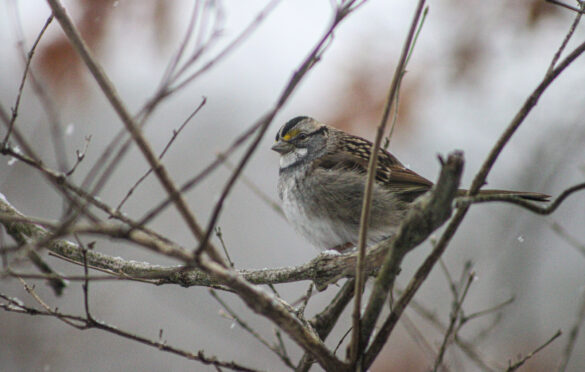
White-Throated Sparrow
A wintering passerine species found almost entirely across the 48 continental states. Populations arrive in the state around mid-fall and migrate north near the end of spring. Adults have a distinguishable plain white throat, yellow eye patch and black streaks on their crown and head. White-Throated Sparrows can be seen in large number below feeders foraging for seeds by kicking up leaves and grass. Large numbers also congregate in dense thickets and shrubbery.
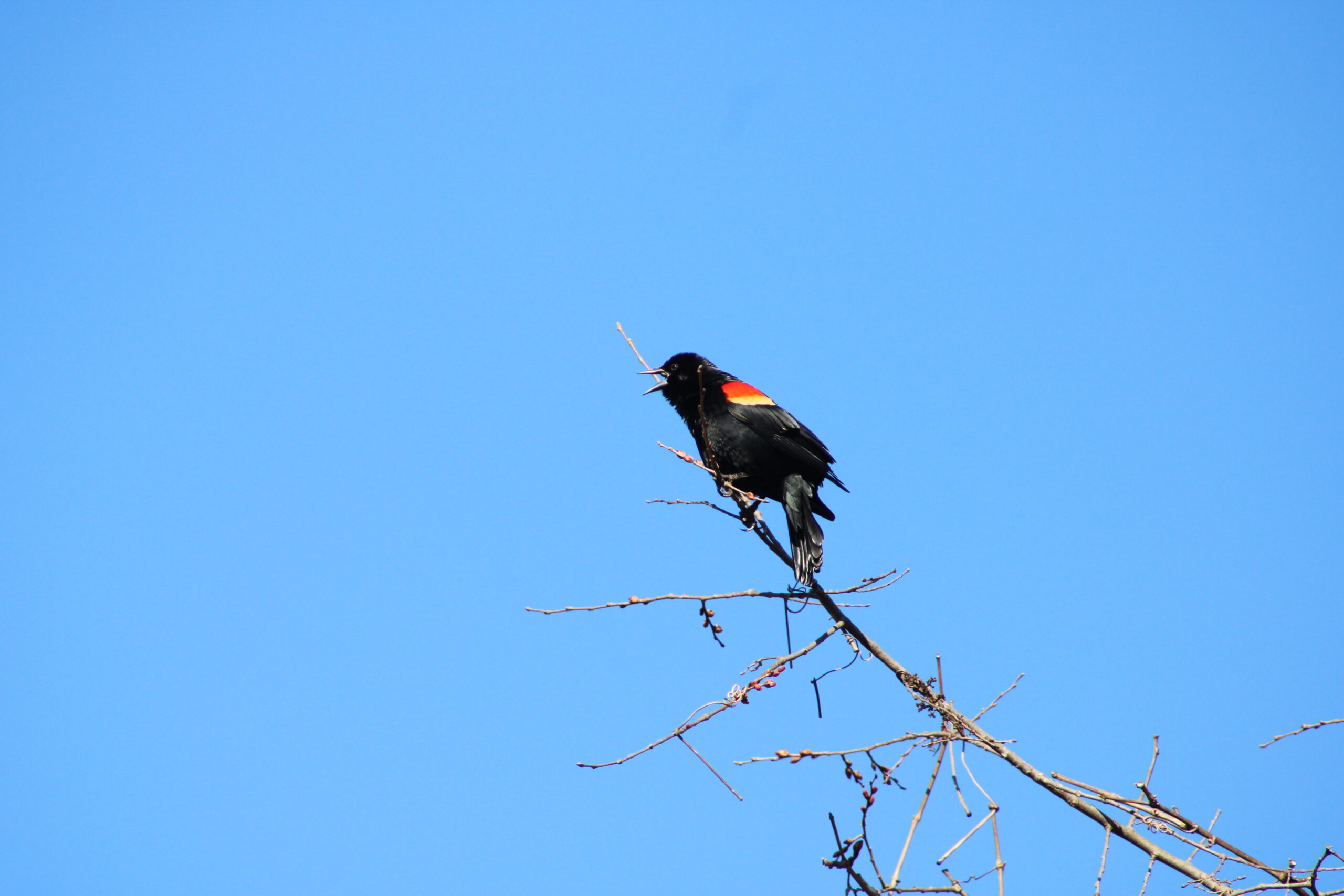
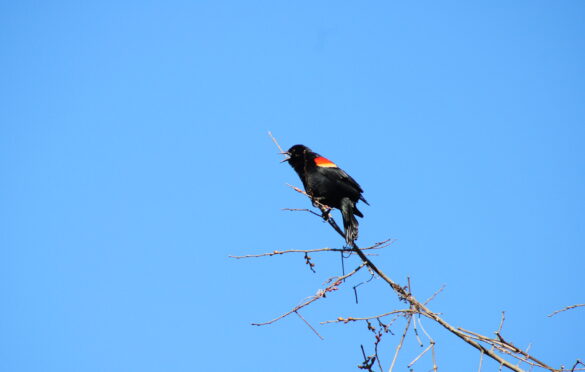
Red-Winged Blackbird
Often thought of as being a herald for spring with its boisterous conk-la-ree song. Maybe a surprise to some, this species is a year-round resident in the state, but most populations tend to migrate south during the winter. With the return of wintering populations, breeding season begins in early March in marshes, wetlands and fields. Males have two scarlet, yellow epaulets and a glossy black body. In stark contrast, females are brown and densely streaked, almost appearing as a large sparrow.
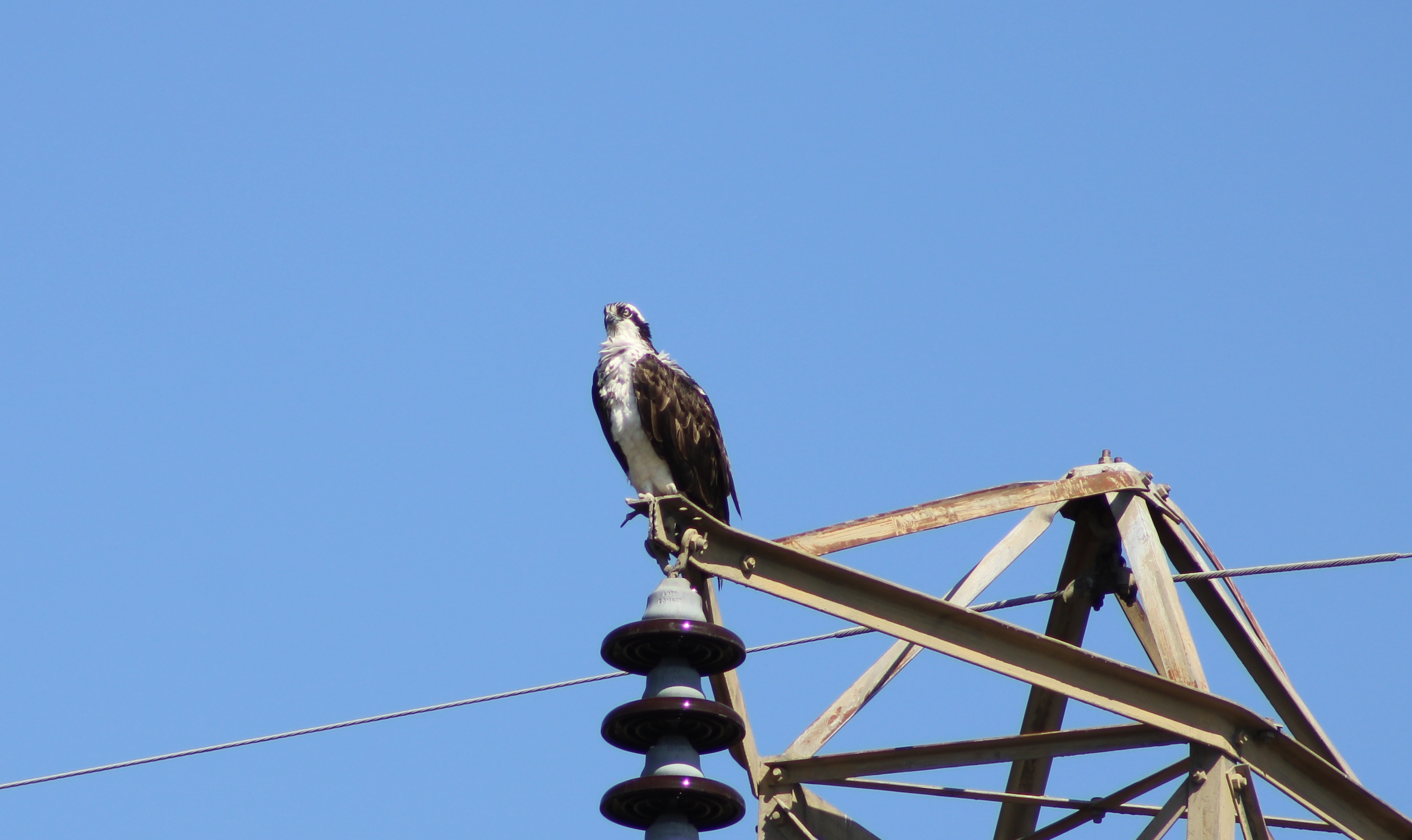
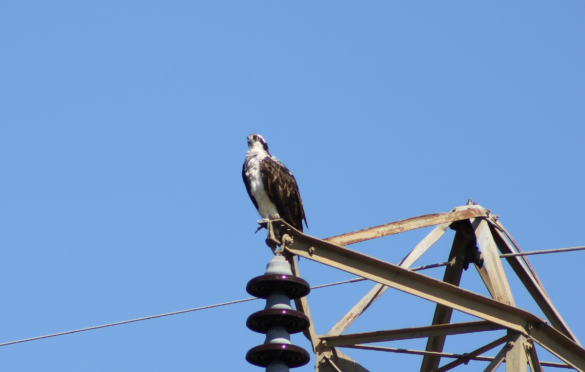
Osprey
A large raptor often seen soaring over waterways hunting for fish. Sometimes referred to as a sea hawk, fish hawk or river hawk. Easily distinguishable from other birds of prey by its yellow eyes, white underside and dark streak on its head. Ospreys dive into the water talon-first up to 50 mph to catch their prey. They have nostrils that can close and a transparent eyelid, which makes them quite effective aquatic hunters. The tops of transmission towers, utility poles, nest platforms and dead trees are used by ospreys to build large nests in the spring and summer months. Nests are built out of materials such as large branches, sticks, grasses and moss.
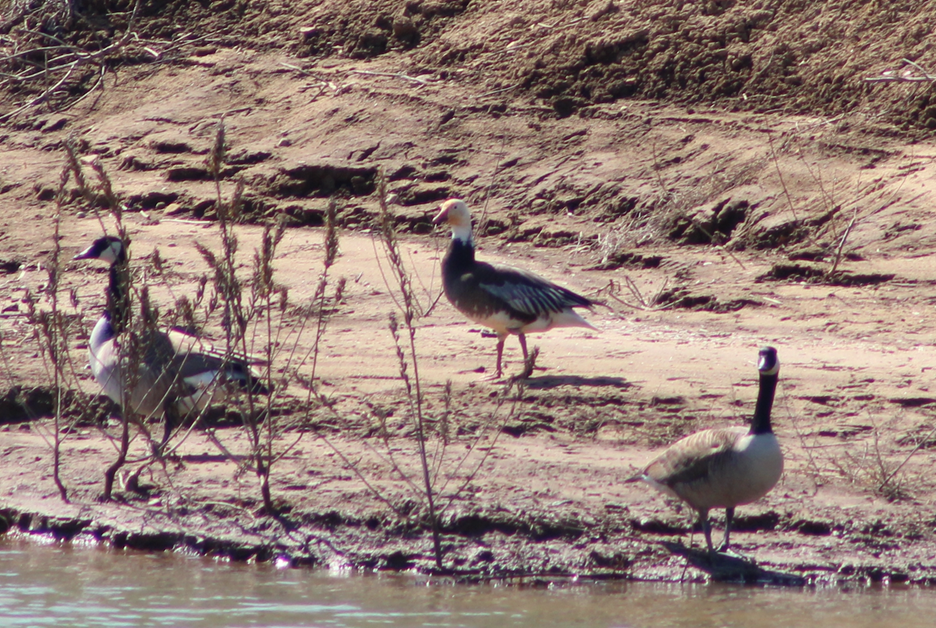
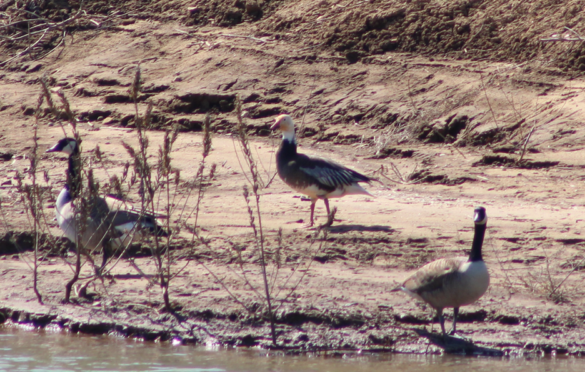
Snow Goose (Blue Morph)
A native goose species found across North America, parts of Greenland and Eastern Russia. Since Ohio is included in the Mississippi Flyway region, populations of snow geese show up from mid-fall to the beginning of spring, but most frequently in the middle of winter. Their habitats include bodies of water, open fields and, in the summer, the Arctic tundra, where they breed. Snow geese have two color morphs: white morph and blue morph. Pictured above is a blue morph snow goose, which is distinguishable from the two Canada geese by its slaty gray body, white head, pink bill and pink feet. A dominant dark gene causes the change in their plumage.
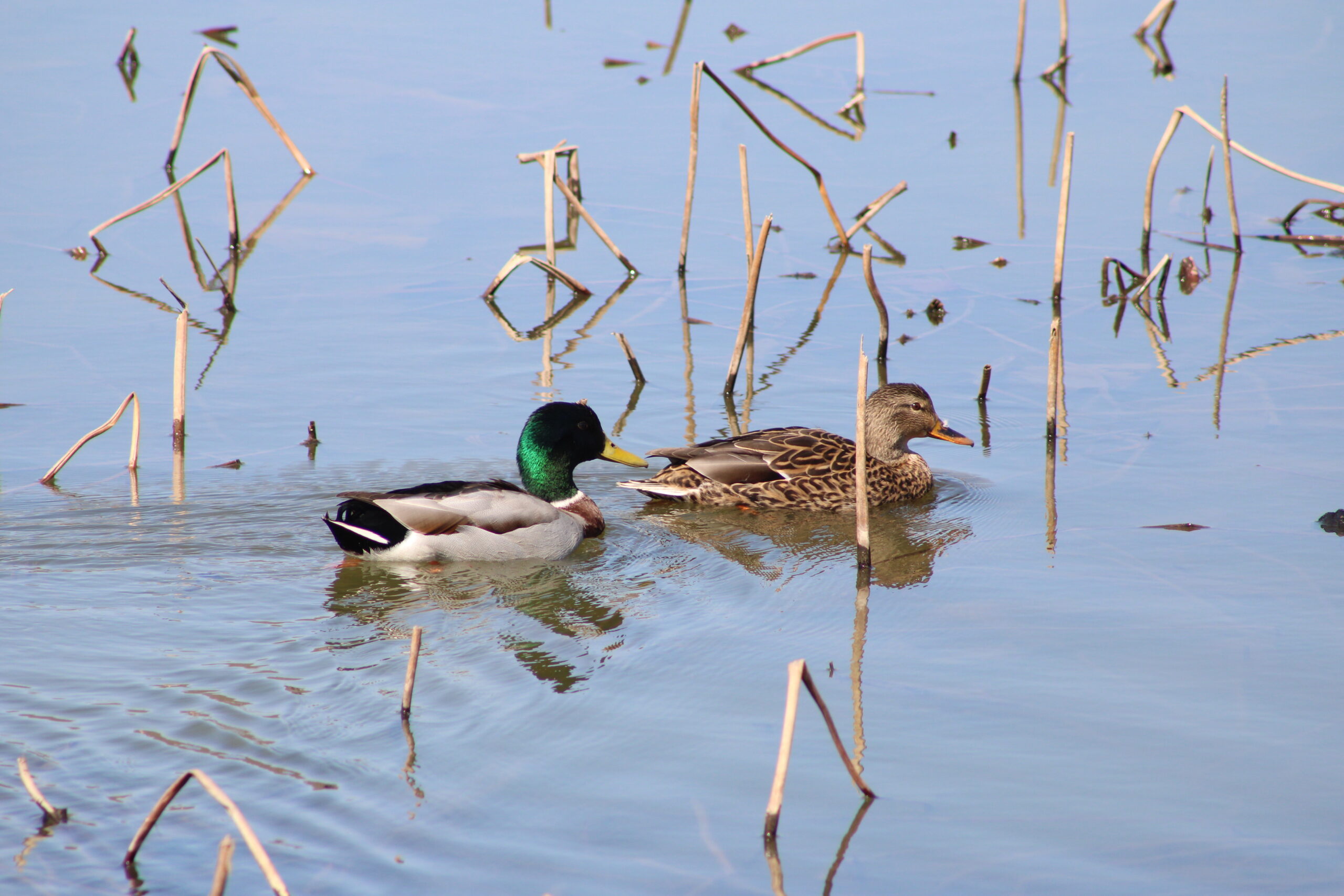
Mallard
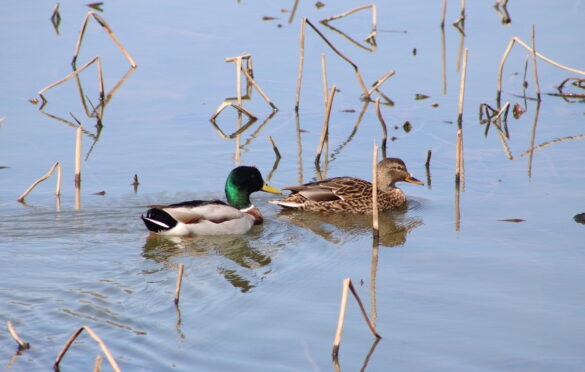
A particularly common duck species found year-round across Ohio. Populations exist across most of North America and Eurasia. Seen more often than not in any area of water, raucously chattering and quacking. Females quack and males do not. Mallards are social ducks that favor flocking together, often intermixing with other species. Males have a distinctive green head, yellow bill, mocha chest and light gray body. Females and juveniles are brown and mottled with an orange bill. Both sexes have a dark blue patch on their wings in flight.
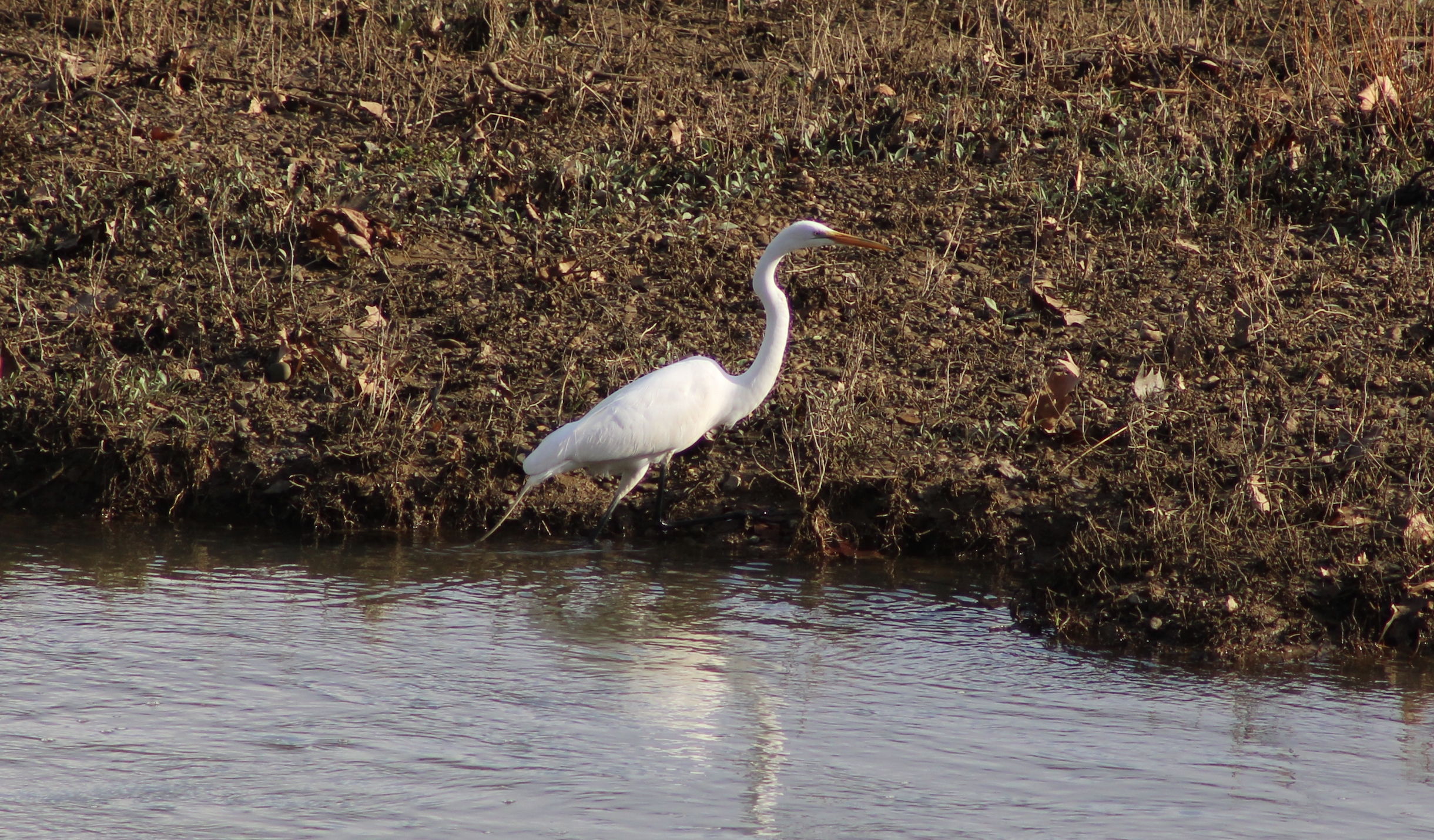
Great Egret
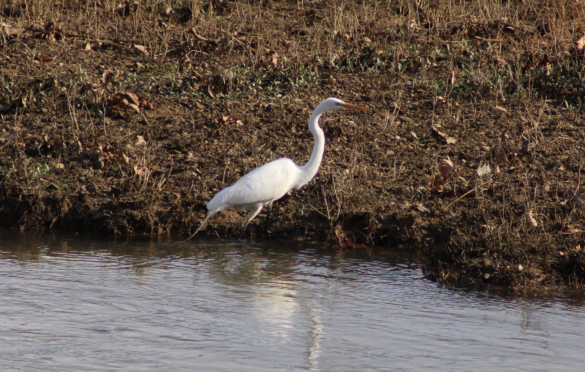
A large, white wading bird with a neck curved like an S. Great Egrets have a sharp yellow bill, which they use to jab into the water to hunt their prey. Distinguishable from the all-white Great Blue Heron by its black legs. Breeding adults have flashy plumes of feathers that are used in courtship displays during the spring and summer. Nearly hunted to extinction in the nineteenth century for the feathers to be used for fashion. Today, they can be found across Ohio during migration and on every continent except for Antarctica.
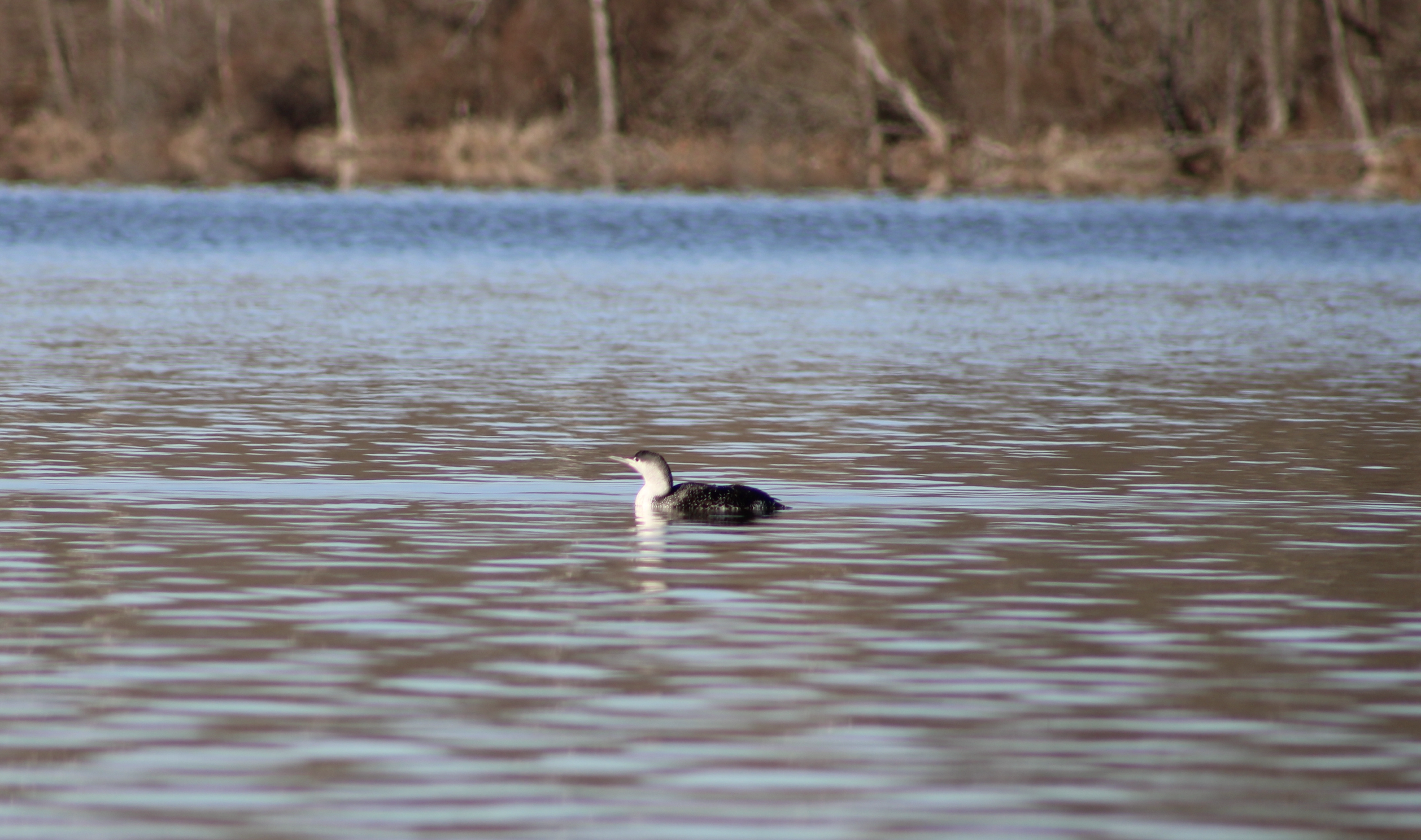
Red-Throated Loon
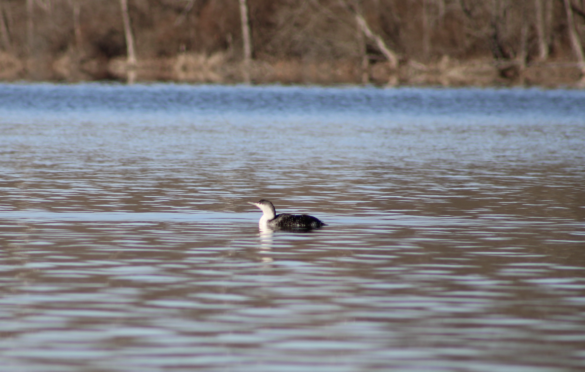
A rather small migratory waterbird species that is excellent at hunting. Breeding adults have a slate gray head, rusty throat patch and dark back. Nonbreeding adults have a dark-capped head and a white face and neck. Both adult forms have a distinguishable upward-turned bill. Red-Throated Loons primarily spend the winter along saltwater coasts and in the Great Lakes region but sometimes show up on large bodies of water inland.
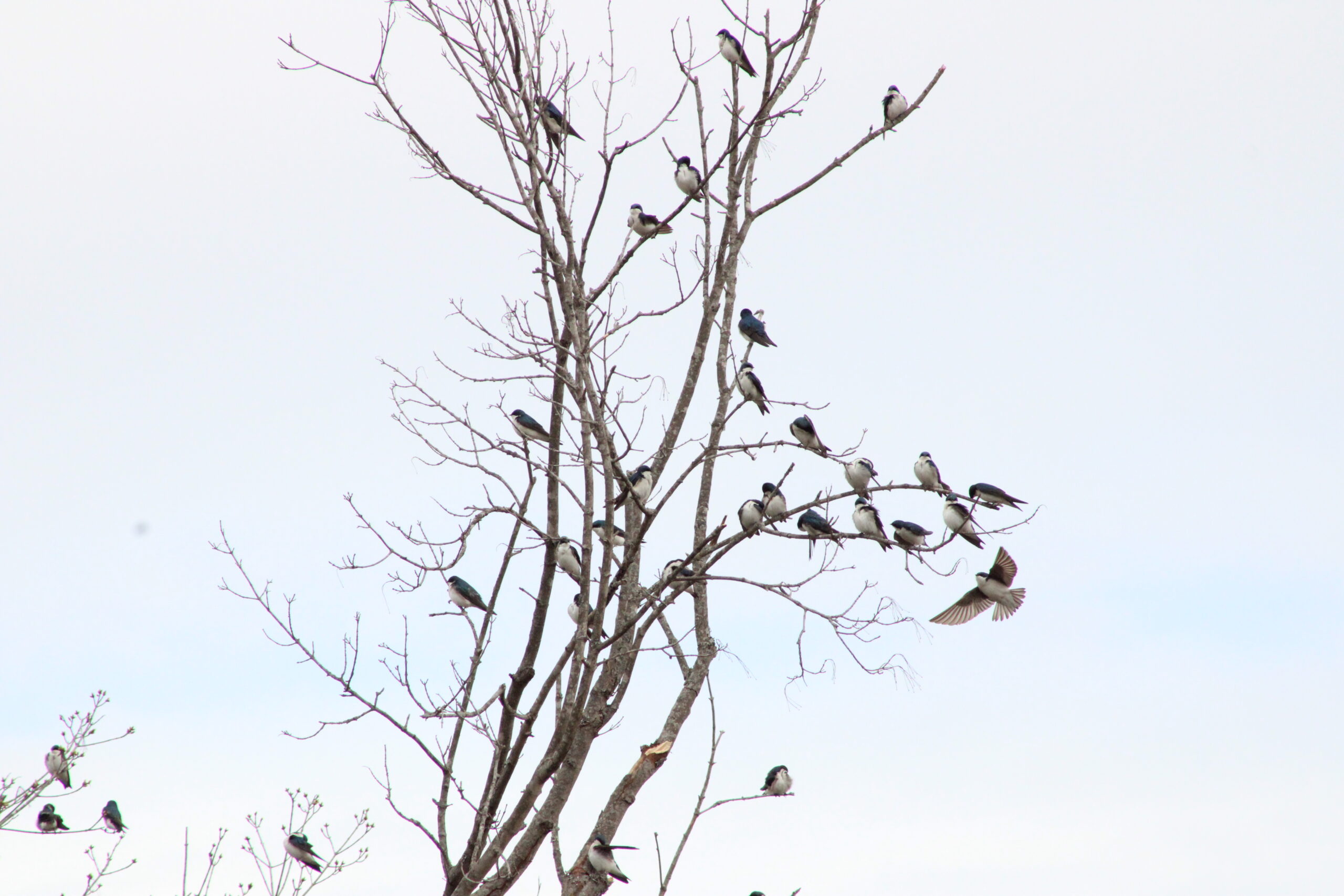
Tree Swallow
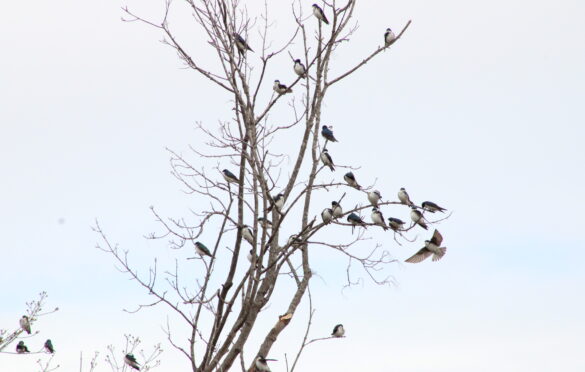
A fluttery, medium-sized swallow species with a flashy white underside. Males have a beautiful green and azure back, while females have a gray-brown back with either slight or no iridescence. Large flocks can be seen during the spring, summer and fall, making acrobatic maneuvers to catch insects over fields and bodies of water. Often heard vocalizing while revolving around in the air. In Ohio, tree swallows show up as early as March and leave as late as November.
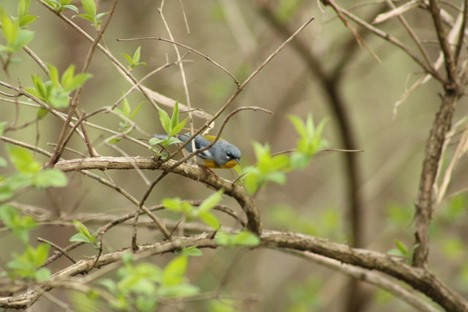
Northern Parula
One of the 36 wood warblers that travel through Ohio annually during spring and fall migration. The northern parula is included in the 24 wood warblers that nest in Ohio in the spring months. This tiny bird is the smallest warbler in the state, only about four inches in size. Adult males are a mix of light blue, yellow and white with a noticeable auburn band across the chest and white lining around the eyes. Spring is the ideal time for birders to witness all kinds of migrating species. Depending on a multitude of factors, sometimes migrants show up slightly early outside of their range, which was the case with this bird. It was the first recorded northern parula in the state for the year.
Find us on Social Media