

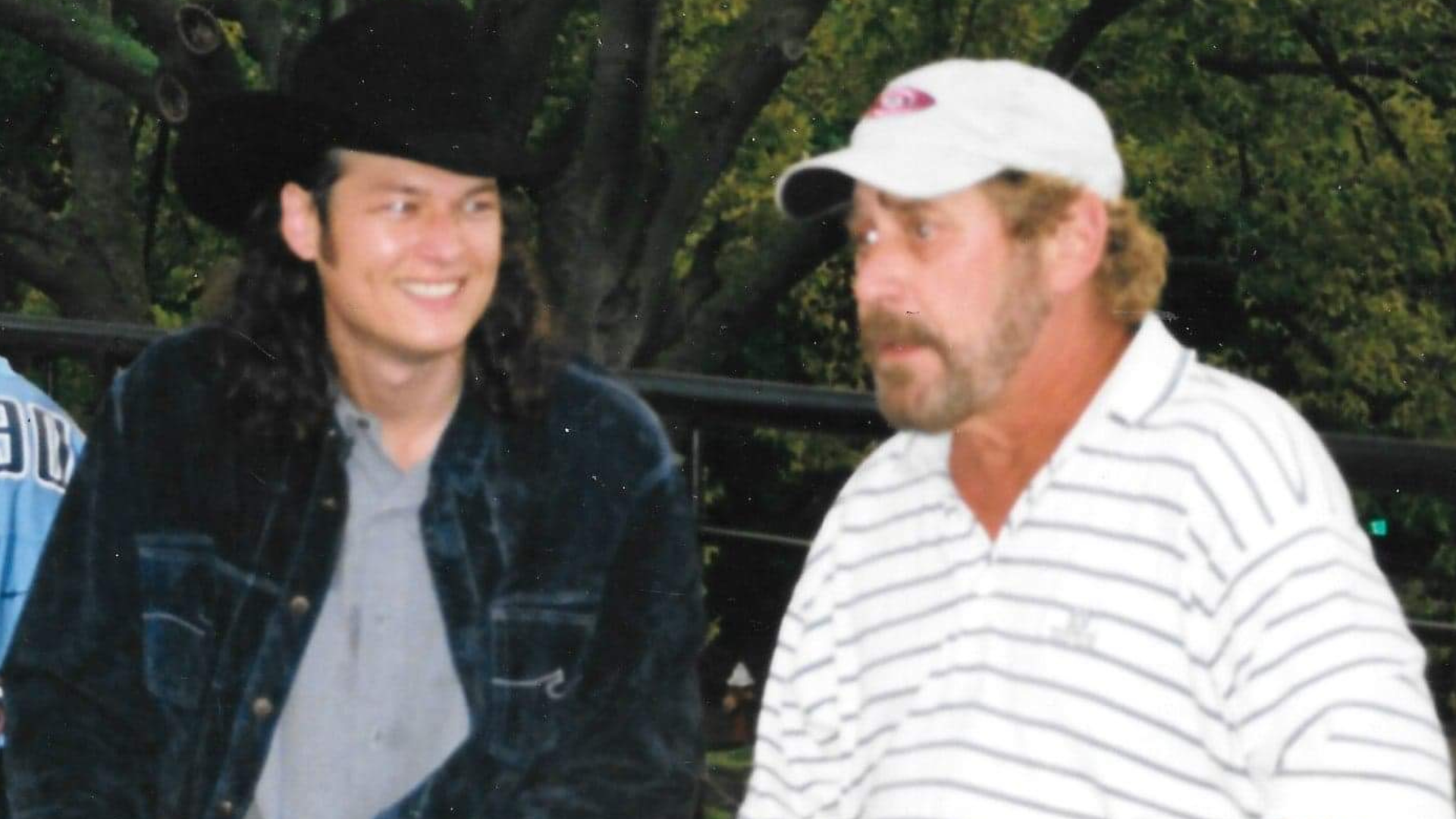
Working late into the night in an old woodshed, a bearded man in a stained-yellow overcoat with a makeshift zipper hunches over his work. He’s whittling a figurine with an old corn knife, periodically reaching for his favorite coffee cup. “I’m a grown ass lady. I do what I want” is plastered on the porcelain mug.
He’s reserved, his curly hair has become straighter with old age; however, his mustache has remained just as full. An old radio hums in the background as an oldies station plays one of his favorites, Hank Williams. He attributes Williams, or “Hillbilly Shakespeare,” as one of his own musical inspirations, a stepping stone to topping the Billboard charts himself.
Earl Thomas Conley left a lasting impression on Country music. Starting in 1961, he remained a prominent songwriter until 2003. His career carried him through different eras of the country genre. Conley’s music evolved over time but always kept his distinct 80s pop sound, often considered “the thinking man’s country” due to its tenderness beyond the genre’s status quo.
Conley’s daughter, Erinn Scates, gave more context behind her father’s style. His music focused on “the more real and tangible stories of people that struggled with heartache and [are] struggling to make ends meet,” Scates says.

Born to a large family in 1941, music filled the Conley family’s Portsmouth home. Conley’s father was a railroad worker and played music by ear. Strumming the banjo and guitar left a lasting example for a young Conley. With money tight and looking for things to pass the time, creativity flowed through Conley.
Drawing was his first artistic love. By the time Conley reached college age, he had a scholarship to attend art school. Instead, he decided to enlist in the Army after the untimely death of his sister Joyce.
After discovering his vocal ability while in service, his first musical performance happened at the Palace Theater in Portsmouth alongside his aunt and uncle. They formed a gospel trio when Conley was performing covers locally in his 20s.
Conley relocated to Alabama after his time in the service, then to Nashville. He broke into the country music scene as a songwriter and sometimes struggled with the public persona of a performer.
“There was just so much more rooted in privacy and specifically shyness,” Scates says. “There was just kind of truth, no matter what he tried to convey, like he couldn’t help himself but be genuine.”
Music usually provides a distraction from reality, but Conley provided something more, something people could relate to. He left a lasting impact from his 1986 Country Music Awards performance with Anita Pointer.
“They were both elated to pursue this [performance] and expand the genre of country music into a space that wasn’t really traveled into at the time,” Scates says.
He collaborated with many different artists throughout his career, including Blake Shelton. Conley co-wrote a song with Shelton in 2001 titled “All over Me.” Conley’s presence is recognizable in the song as Shelton’s singing switches from low baritone to high tenor melodies.
“Blake has always attributed Dad [Conley] to being his number one all-time hero,” Scates says.
This honestly is prevalent inside his music, telling tales of love, despair and hardship. His 1988 song “What I’d Say” shows the complications within love, with lyrics like, “I hold these conversations in the silence of my room. Rehearsing all the things I’d say should I run into you” (Conley 1988).
Conley stepped away from the spotlight in 2003. He didn’t want to compromise his craft for the sake of commercialization. The simpler life suited him; he found passion working on his house and being outside. He still enjoyed art, gifting his wife a jewelry box with their two daughters painted inside. Although he only spent the start of his life in Portsmouth, he is remembered there to this day.
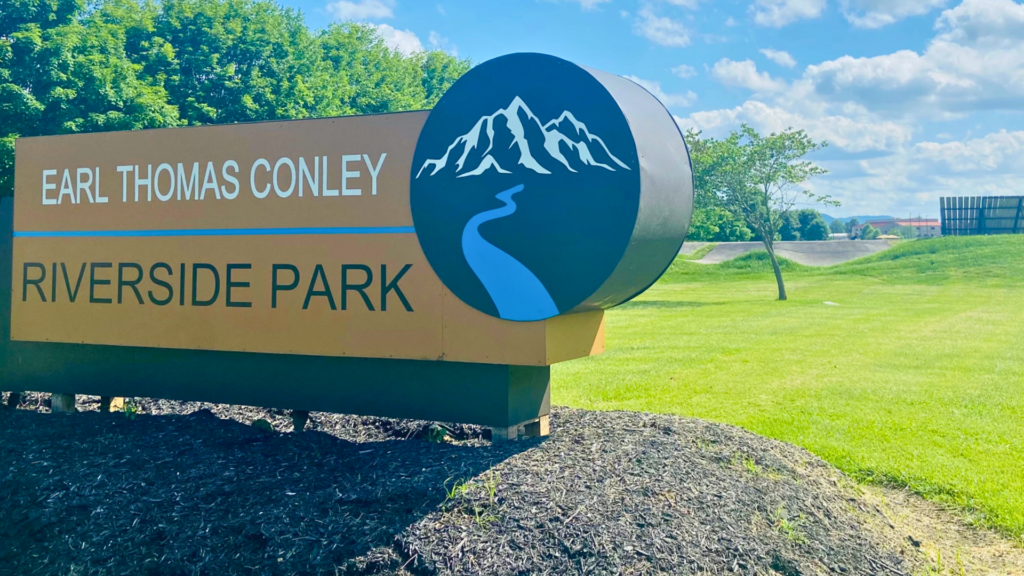
His name is cemented at Earl Thomas Conley Riverside Park. The Palace Theater, where Conley had his first performance, no longer stands. The steel mill he used to work at has changed its name and owner.
Conley was no stranger to the passage of time; his song “Crowd Around the Corner” makes that clear, with lyrics like, “Take your good old time and pass along a piece of yesterday / A tender breeze of memories is blowing through your mind softer than those strands of silver gray and sweeter than the things you’ve seen today” (Conley 1983).
Conley passed away in 2019 at the age of 77. His music remains his legacy, timeless and applicable to wide audience within the country genre.
“There’s such a divide in country music as a genre on the whole where I think he fits in a space that transgresses time,” Scates says. “Everything he released he truly believed in.”
A Private Star: The Earl Thomas Conley story
Find us on Social Media